The Regional Development Fund (RDF) has become one of Eswatini’s most prominent instruments for grassroots economic transformation, channeling public funds directly into communities to stimulate infrastructure development, entrepreneurship and poverty reduction.
Established under the Ministry of Tinkhundla Administration and Development, the RDF was created to decentralise development and empower communities, particularly in rural and underserved areas, to actively participate in shaping their own economic futures.
Unlike conventional financing mechanisms, the RDF operates as a government grant facility rather than a loan scheme. Funds allocated under the programme do not require repayment, making it accessible to organised community groups and cooperatives that meet eligibility requirements. The structure is designed to reduce financial barriers while promoting collective ownership and accountability at constituency level.
Broad Development Mandate
The RDF forms part of Eswatini’s broader socio-economic development framework, complementing initiatives such as the Poverty Fund and the Community Development Special Fund. Its central objective is to improve living standards by enabling communities to initiate projects that address local priorities while generating economic activity.
Funded projects range from social infrastructure to income-generating ventures. Investments have supported the construction and rehabilitation of schools, health facilities, water systems and feeder roads. At the same time, the fund backs cooperative enterprises and small-scale business ventures aimed at creating sustainable livelihoods.
By combining infrastructure support with enterprise development, the RDF seeks to close regional development gaps while building long-term economic resilience at community level.
Measurable Impact and Job Creation
Recent government performance reports indicate that the RDF continues to deliver measurable socio-economic impact. In the latest reporting period, projects valued at over E210 million were either completed or underway. These initiatives are expected to benefit more than 40,000 Emaswati and generate over 1,500 direct employment opportunities.
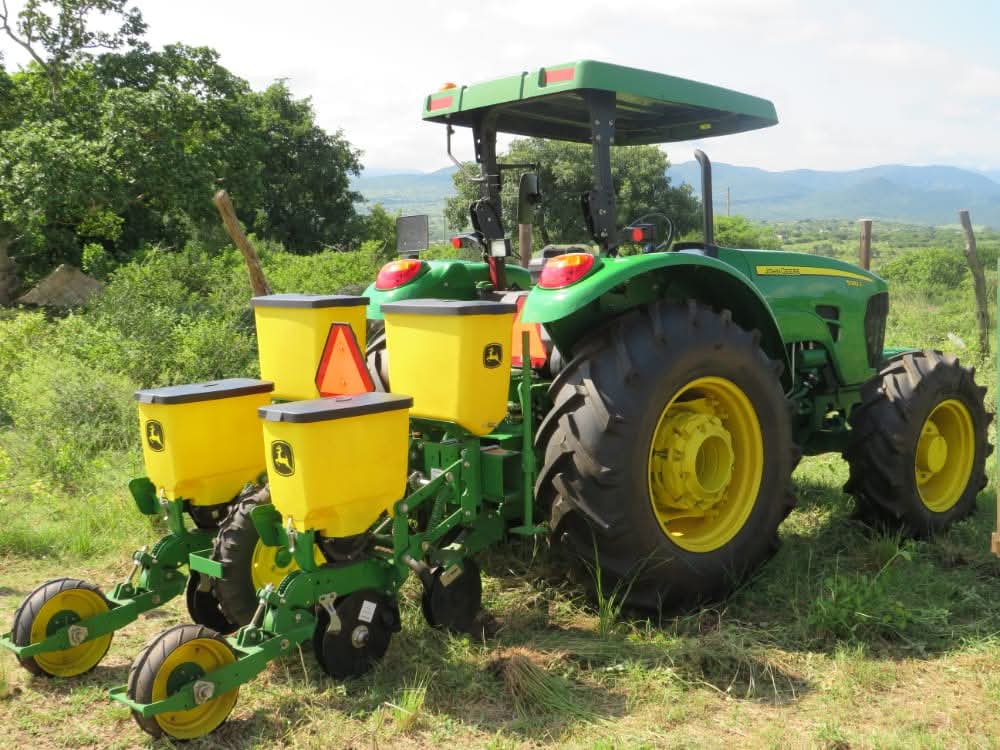
Across the Hhohho, Lubombo and Shiselweni regions, cooperatives have received funding to acquire trucks, agricultural machinery and other productive assets aimed at improving market access and strengthening income streams. These investments are intended to move communities beyond subsistence activity towards commercially viable operations.
Community-Level Projects Taking Shape
In Maseyisini Inkhundla, the RDF allocated more than E10 million towards education infrastructure, including new classrooms and administrative blocks. The investment is expected to improve learning conditions while strengthening local institutional capacity.
In Pigg’s Peak, cooperatives secured a multi-million emalangeni grant that enabled the purchase of transport vehicles and heavy equipment to scale up business activities and improve operational efficiency.
Elsewhere, RDF-supported initiatives have included agricultural projects, rural electrification schemes, transport solutions and equipment acquisitions. Each intervention is aligned with the broader goal of stimulating local economic participation and reducing dependency.
Advancing Decentralisation
Beyond financial support, the RDF reinforces decentralised development planning. By working through inkhundla-level structures and local development committees, the fund strengthens participatory planning processes and encourages communities to prioritise projects based on local needs.
This approach aligns with government’s wider agenda of balanced regional development, ensuring that public resources are distributed more equitably and that economic growth extends beyond urban centres.
Challenges and the Way Forward
While the RDF has delivered tangible results, challenges remain. Capacity constraints at community level, project management skills and monitoring mechanisms continue to require strengthening to maximise long-term sustainability.
Nevertheless, continued public investment, improved oversight and stronger coordination with development partners could enhance the fund’s effectiveness.
As Eswatini recalibrates its development priorities, the Regional Development Fund remains a central pillar of community-driven progress — not merely as a financing mechanism, but as a tool for empowering citizens, creating jobs and fostering inclusive, localised economic growth.